Sutara, Russian Far East
Russian Sapphire
Everything the Sutara deposit gave is here. It is closed now; nothing more will come.
See the sapphiresThe deposit
A Sapphire the Textbooks Miss
Most of the world’s commercial sapphire – from Australia, Thailand, Nigeria – forms one way: magmatic, carried up from the earth’s mantle by basaltic volcanism. Sutara didn’t form that way at all.
It sits along a small river of the same name in Russia’s Far East, near the Chinese border. Gold prospectors found its gray and blue fragments in the river gravel in 1943, and had no interest in them. It took until 2009–2011 for the Far East Geological Institute of the Russian Academy of Sciences to study the deposit properly.
The origin
Born in Marble
Sutara sapphire formed where granite pegmatites met dolomite-rich marble, through a slow metasomatic process that left corundum behind instead of quartz. A metamorphic genesis, documented in only a handful of places anywhere – and published in Gems & Gemology, GIA’s own research journal, in 2016.
The stones
The Inclusions Are the Point
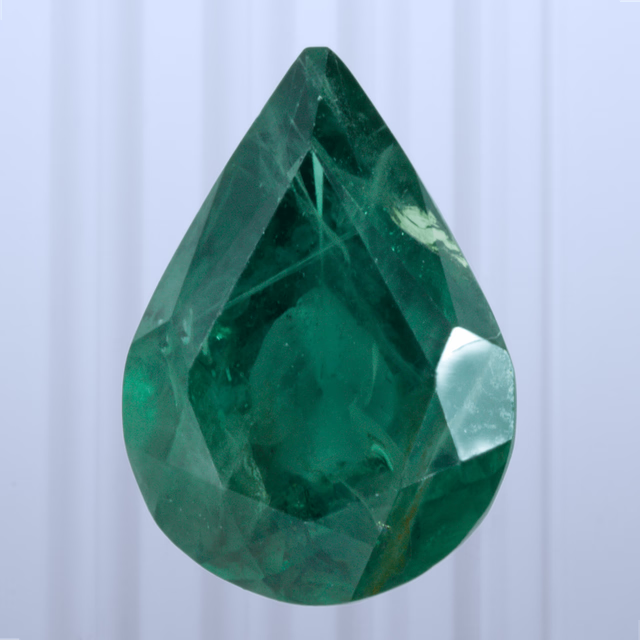
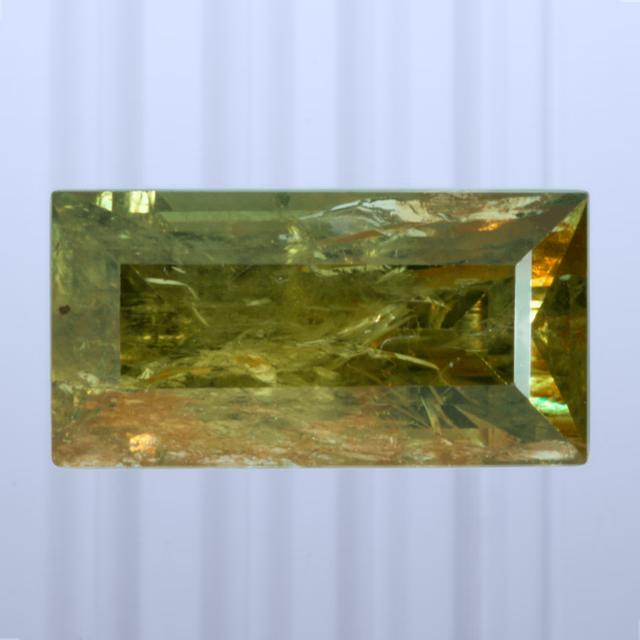
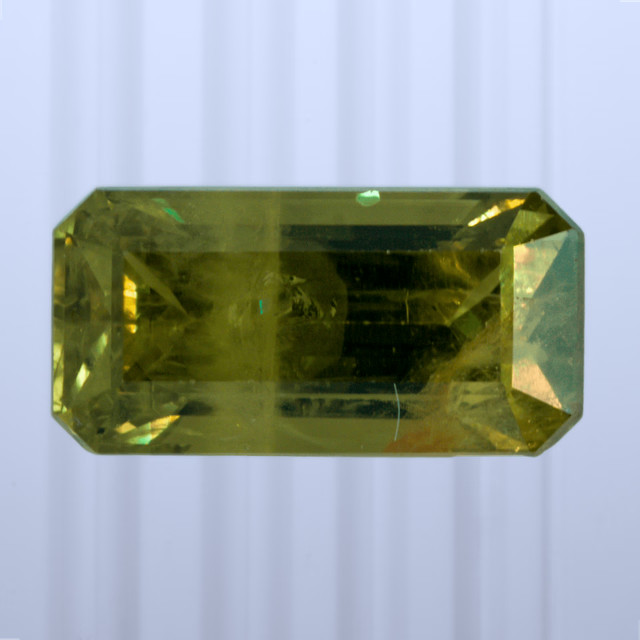
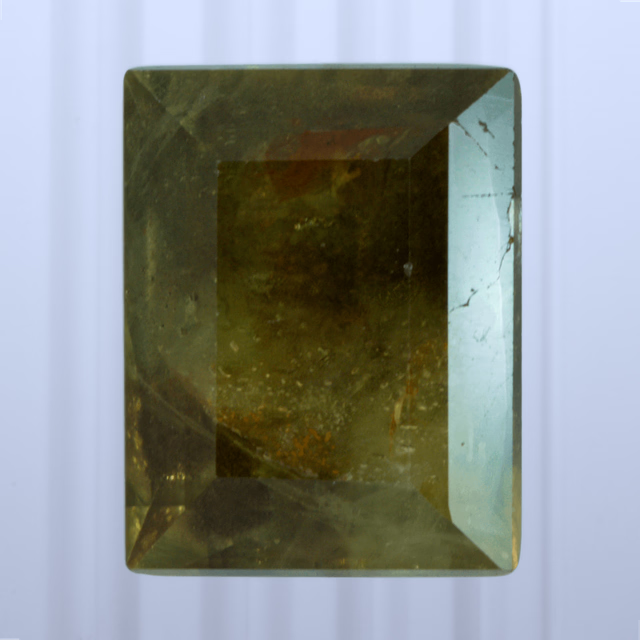
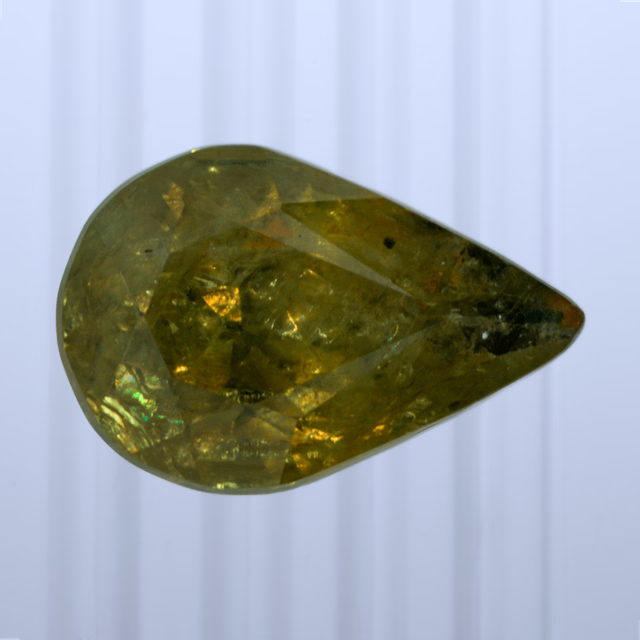
Almost every stone from this deposit carries dense internal inclusions – rutile needles, zircon, mica, growth zoning. Where the rutile needles align along the crystal’s natural axes, they scatter light into a star. So most of what we cut is cabochon, cut to show that star – in black, blue, green and yellow.
The faceted stones are the cleanest material, and almost always under a carat. Every Sutara sapphire we sell is untreated: no heat, nothing added – exactly as it came out of the ground. Each is covered by our Authenticity Guarantee.
- Corundum first noticed at Sutara – by gold prospectors
- 1943
- Its metamorphic origin published in Gems & Gemology
- 2016
- Cabochons left in the reserve, and 50 to 100 faceted stones
- ≈ 1,000
- Stones treated – no heat, nothing added
- 0
The reserve
The Last of It
The deposit no longer exists in any working sense. When it was still active, we bought up the corundum-bearing material that came out of it, and we have been cutting through that reserve ever since. Nothing new has come out of the ground.
In every practical sense, we are the first and only hands this material will ever pass through.
From the Sutara reserve
The Sapphires
33 pieces
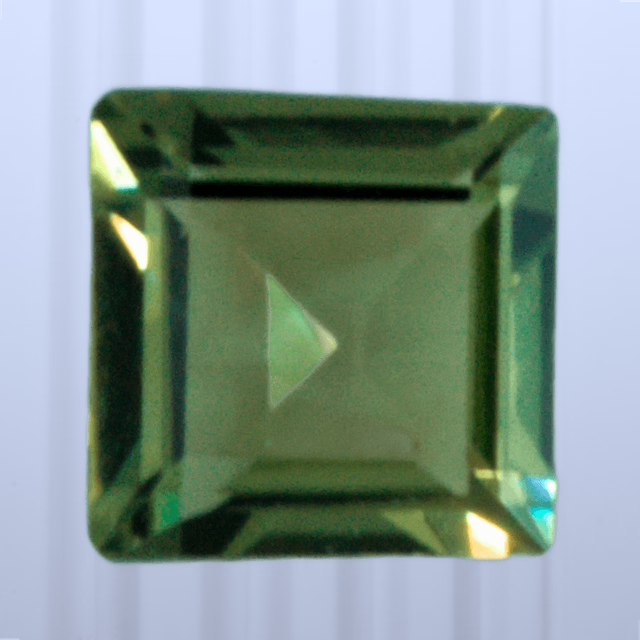
Russian Sapphire
Sutara
0.13 ct
$300.00
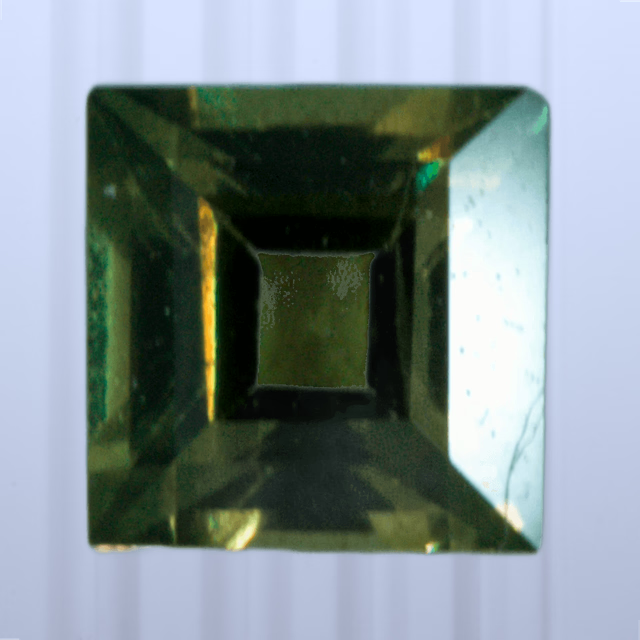
Russian Sapphire
Sutara
0.27 ct
$500.00
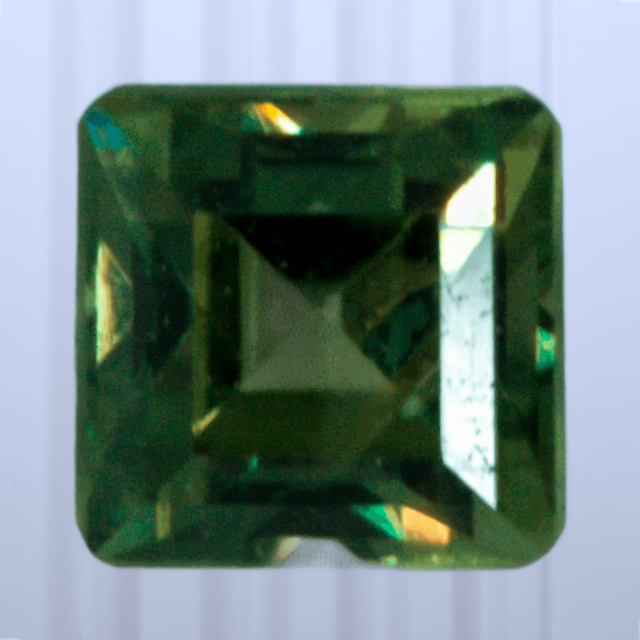
Russian Sapphire
Sutara
0.29 ct
$600.00
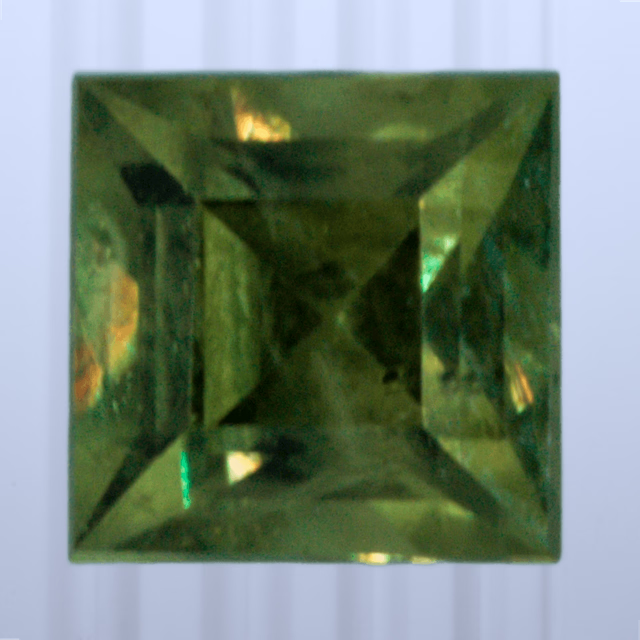
Russian Sapphire
Sutara
0.32 ct
$600.00
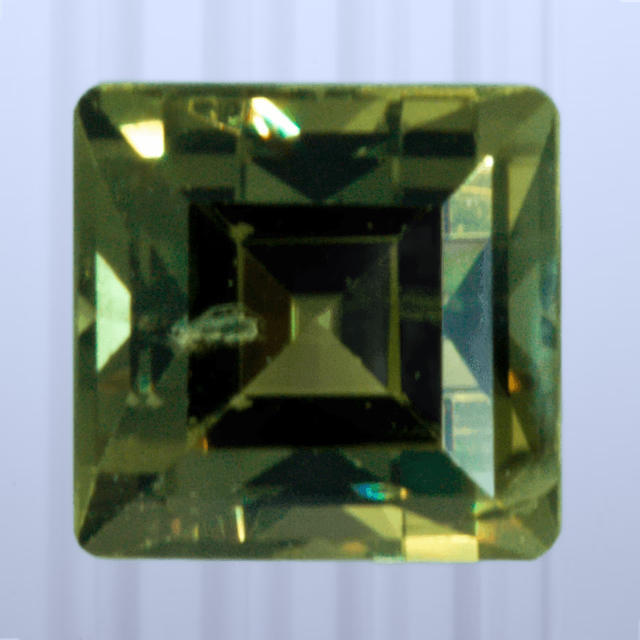
Russian Sapphire
Sutara
0.38 ct
$800.00
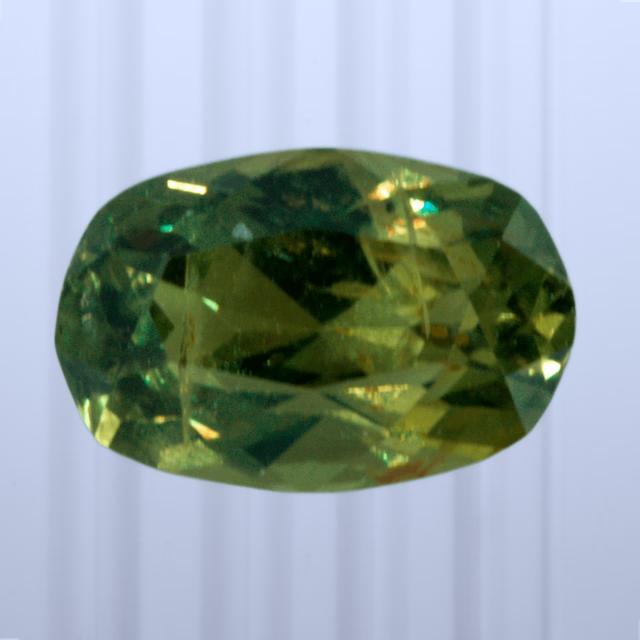
Russian Sapphire
Sutara
0.60 ct
$1,500.00
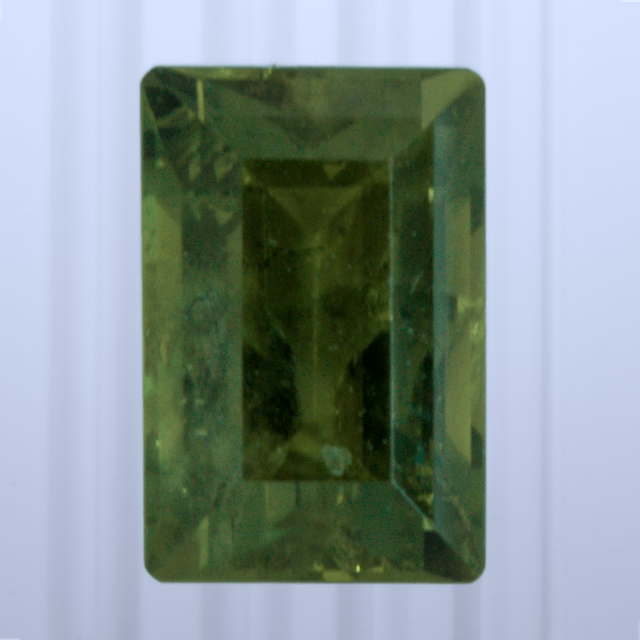
Russian Sapphire
Sutara
0.60 ct
$1,200.00
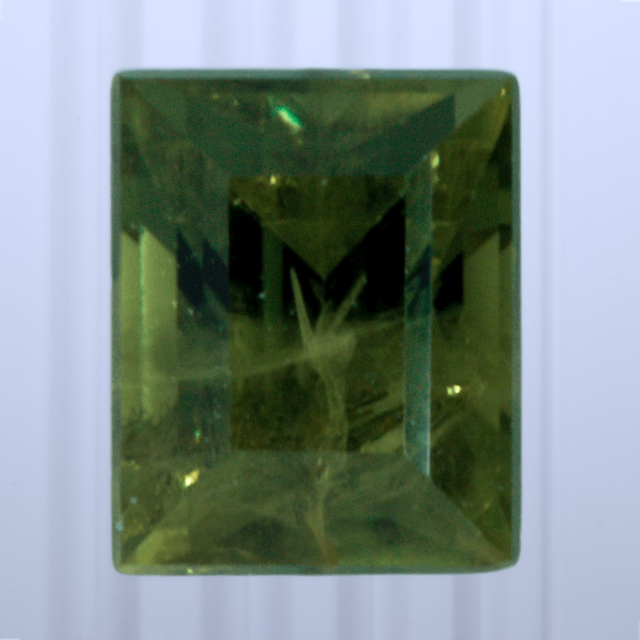
Russian Sapphire
Sutara
0.66 ct
$1,400.00
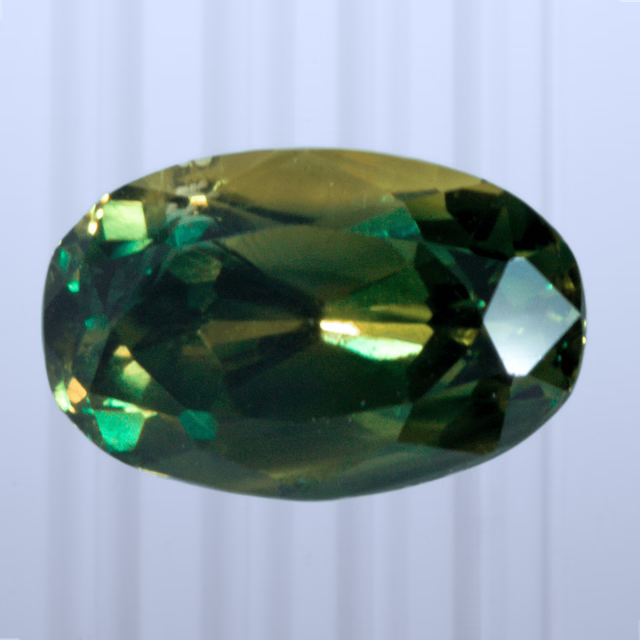
Russian Sapphire
Sutara
0.99 ct
Request Price
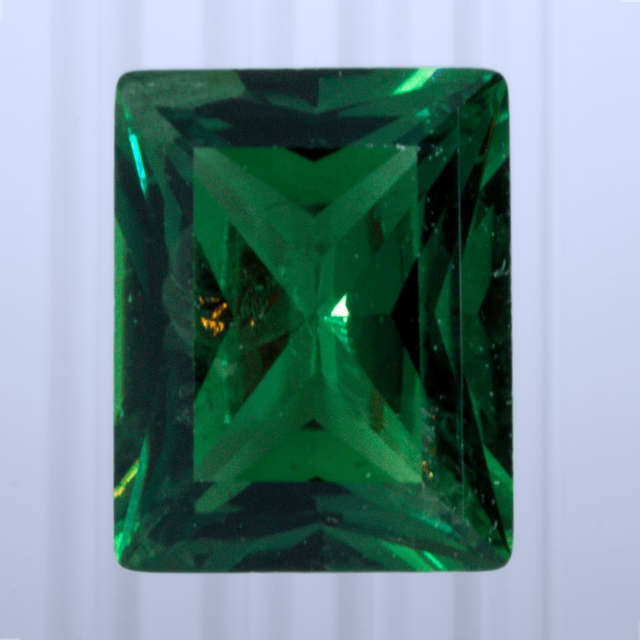
Russian Sapphire
Sutara
0.93 ct
$2,600.00
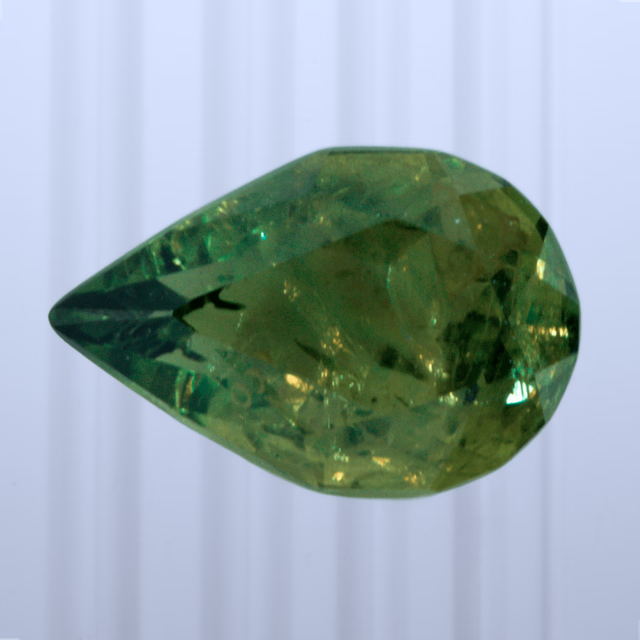
Russian Sapphire
Sutara
1.09 ct
Request Price
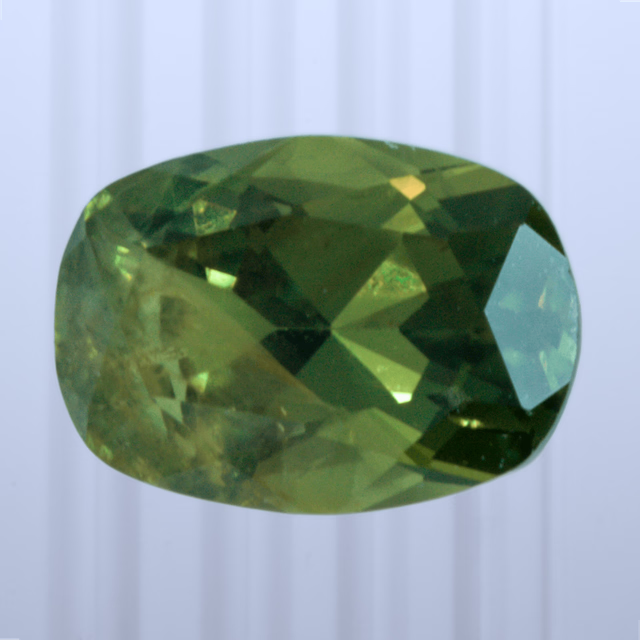
Russian Sapphire
Sutara
1.16 ct
$2,800.00
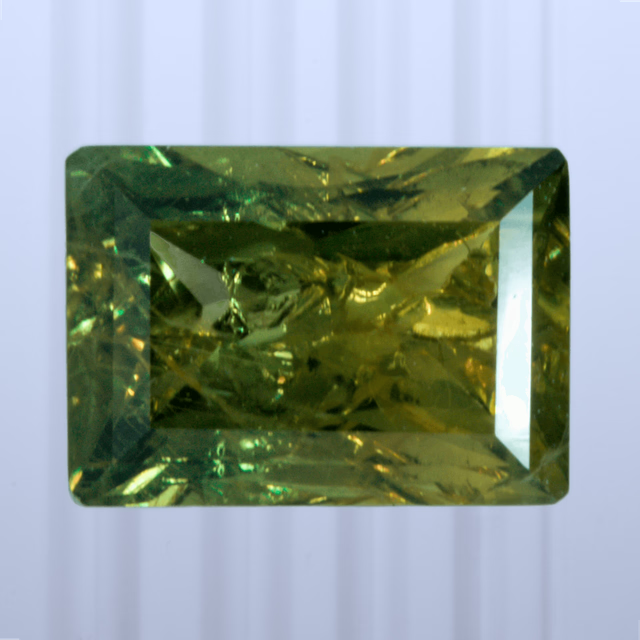
Russian Sapphire
Sutara
1.27 ct
Request Price
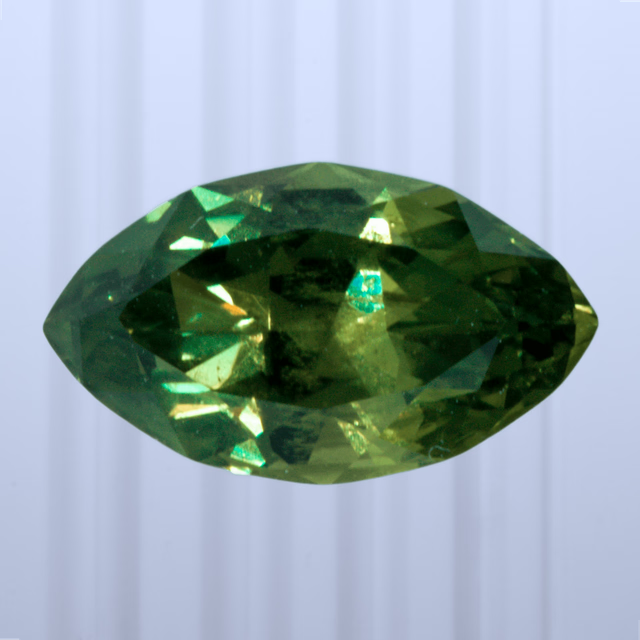
Russian Sapphire
Sutara
1.33 ct
Request Price
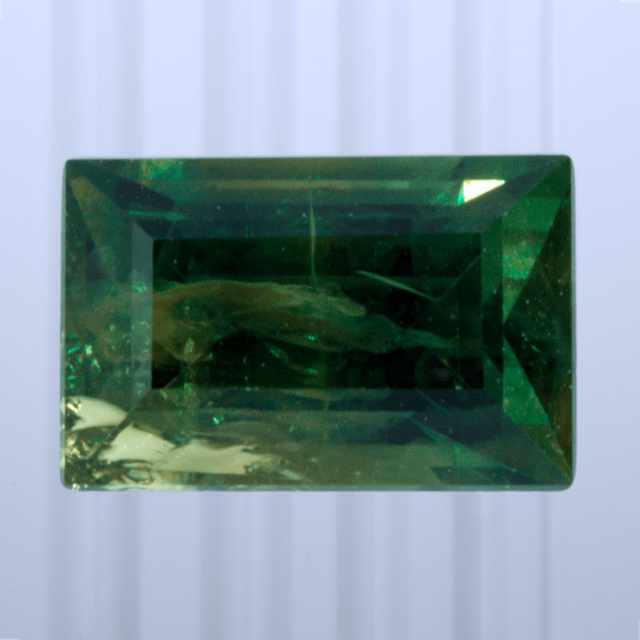
Russian Sapphire
Sutara
1.45 ct
Request Price
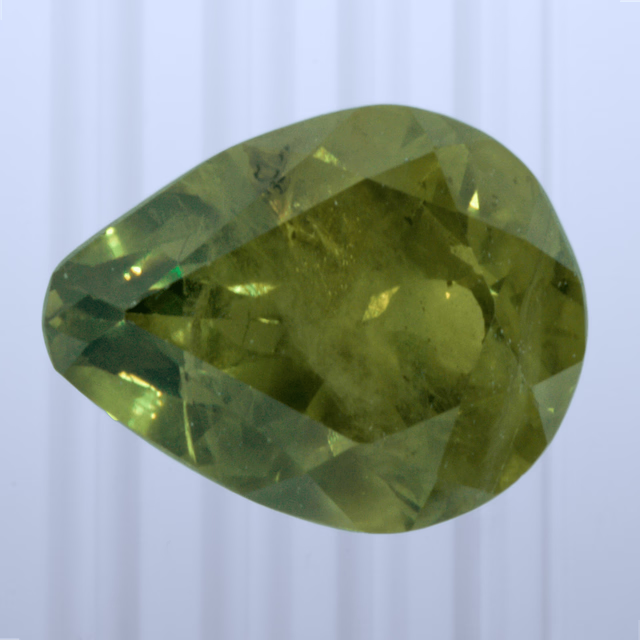
Russian Sapphire
Sutara
1.67 ct
Request Price
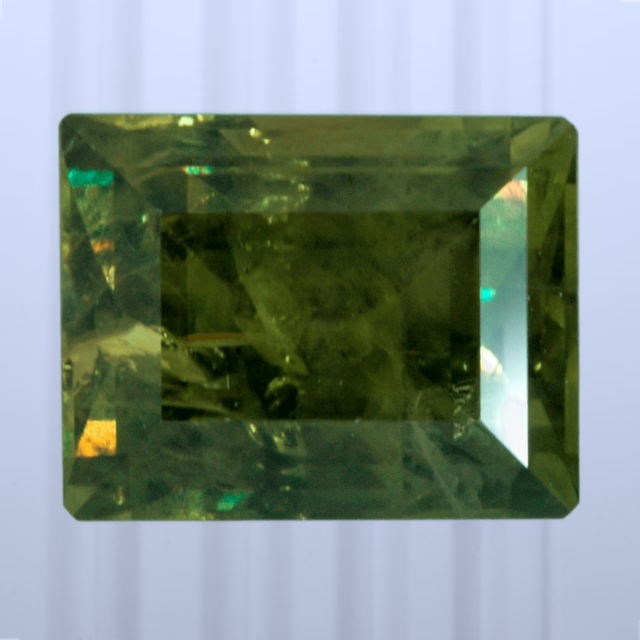
Russian Sapphire
Sutara
1.81 ct
Request Price
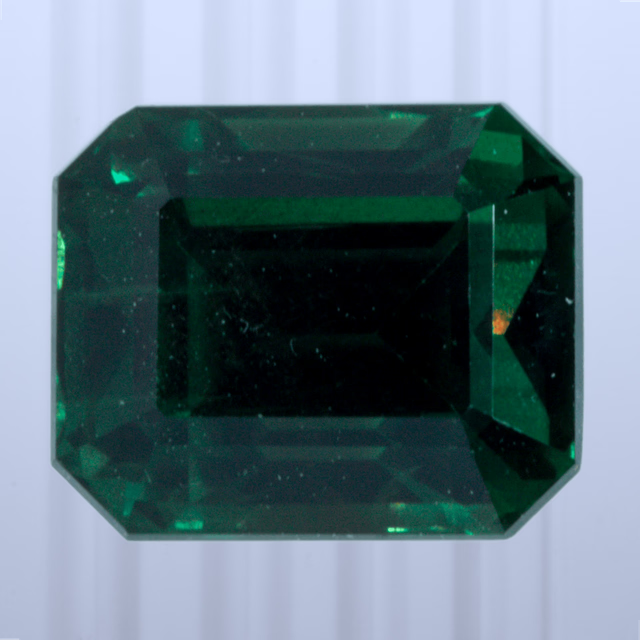
Russian Sapphire
Sutara
2.09 ct
Request Price
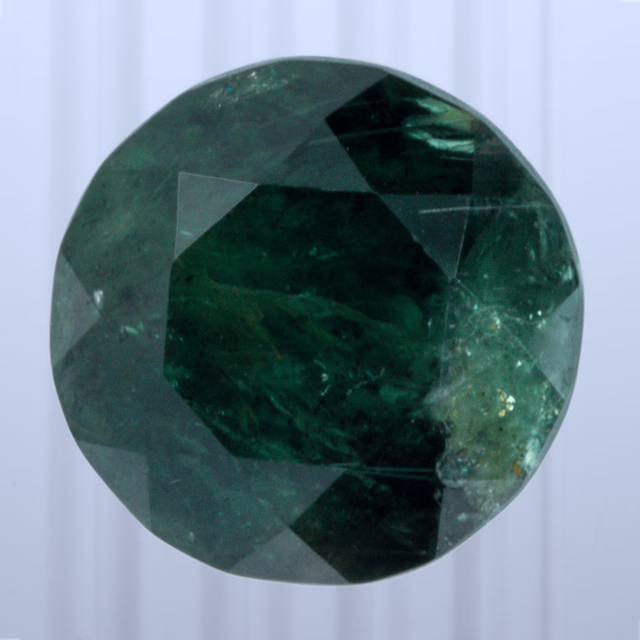
Russian Sapphire
Sutara
2.11 ct
Request Price
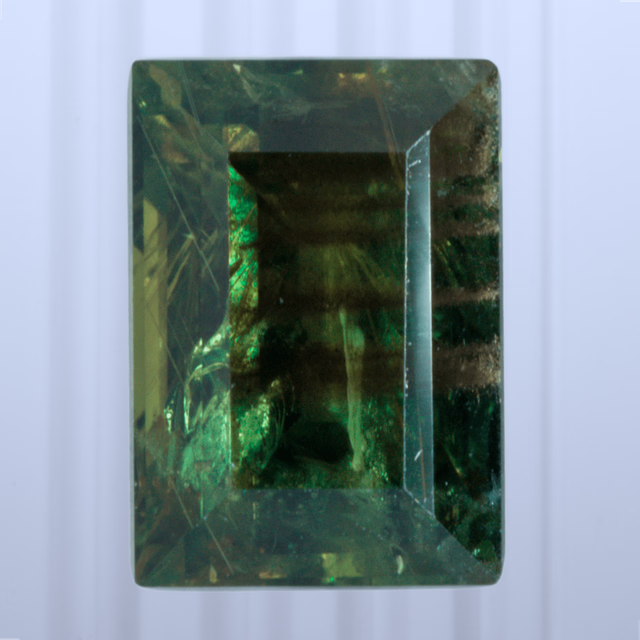
Russian Sapphire
Sutara
2.50 ct
Request Price
Russian Sapphire
Sutara
2.86 ct
Request Price
Russian Sapphire
Sutara
3.14 ct
Request Price
Russian Sapphire
Sutara
1.00 ct
$3,000.00
Russian Sapphire
Sutara
2.02 ct
Request Price
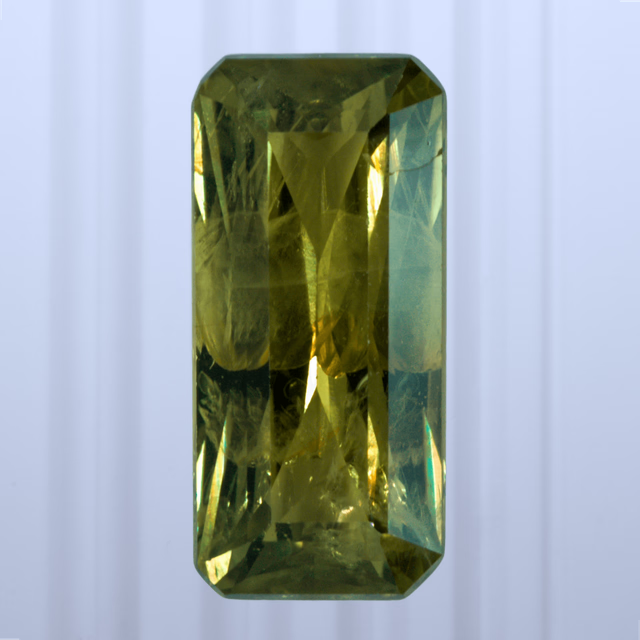
Russian Sapphire
Sutara
1.24 ct
Request Price
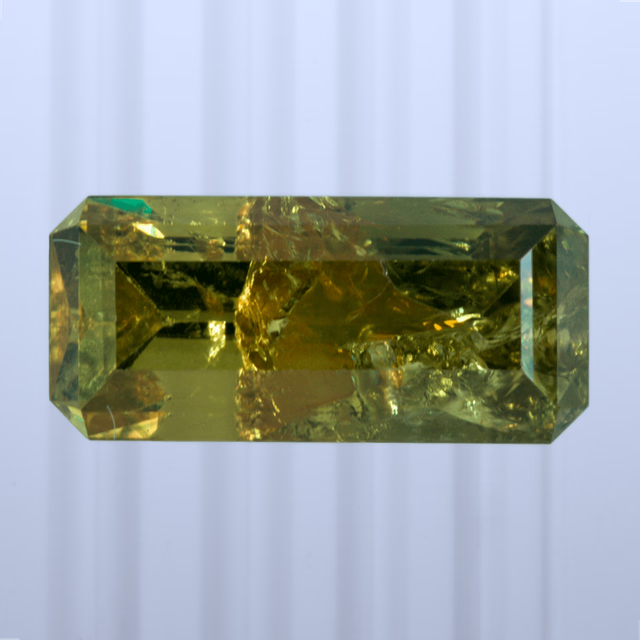
Russian Sapphire
Sutara
1.75 ct
Request Price
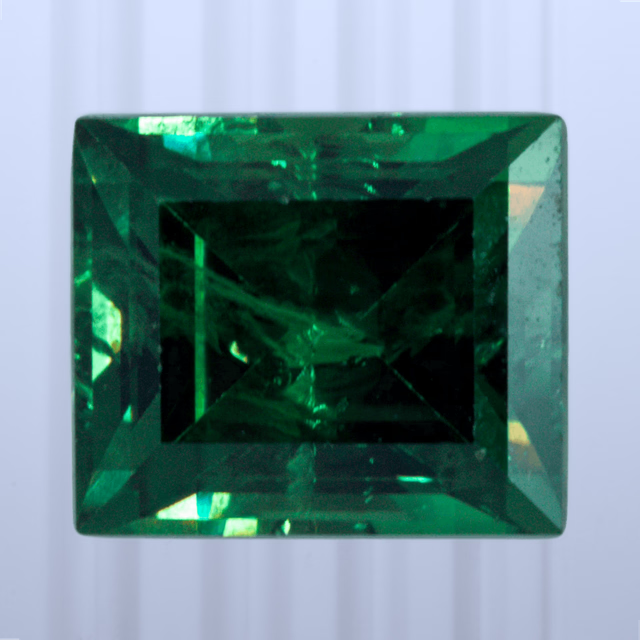
Russian Sapphire
Sutara
0.98 ct
$2,700.00
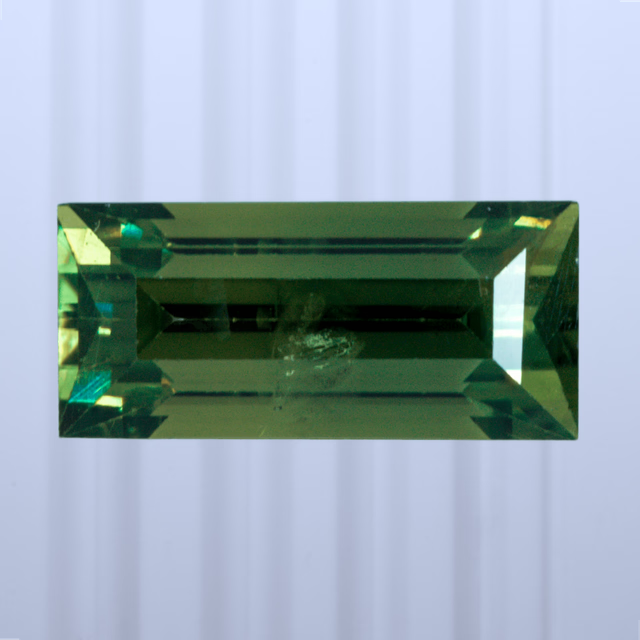
Russian Sapphire
Sutara
1.19 ct
Request Price
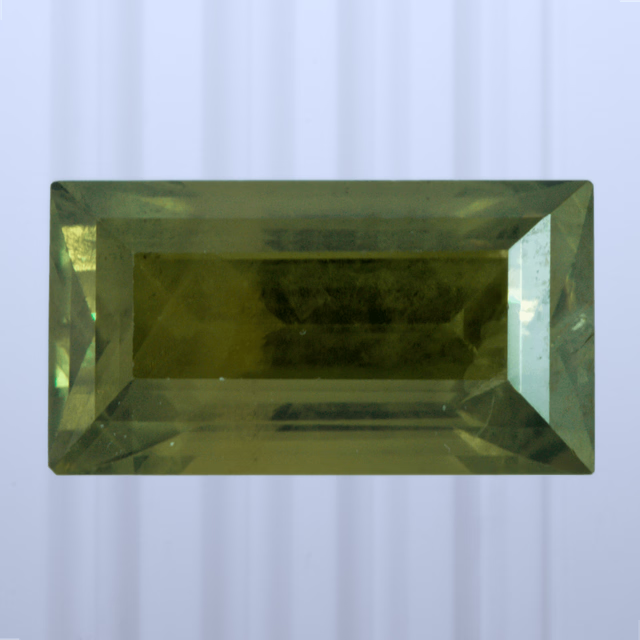
Russian Sapphire
Sutara
1.64 ct
Request Price
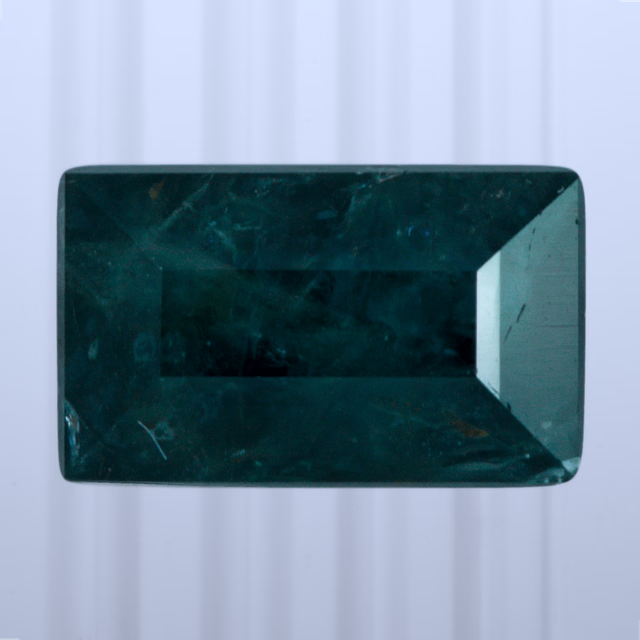
Russian Sapphire
Sutara
1.08 ct
Request Price
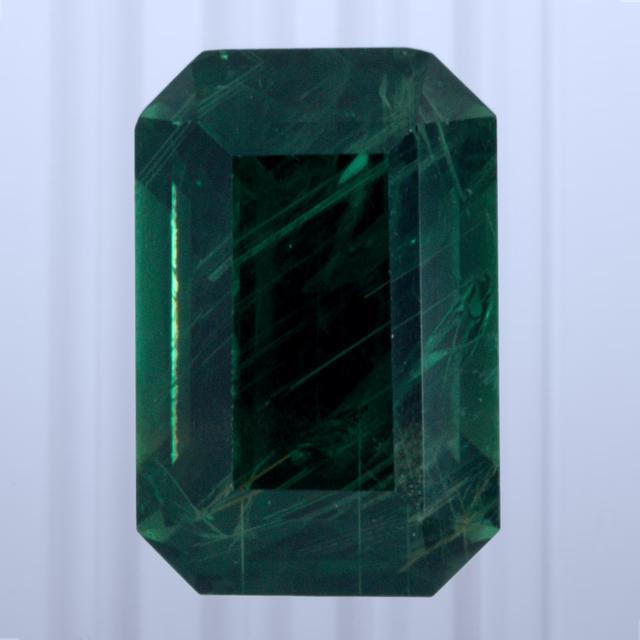
Russian Sapphire
Sutara
1.70 ct
Request Price
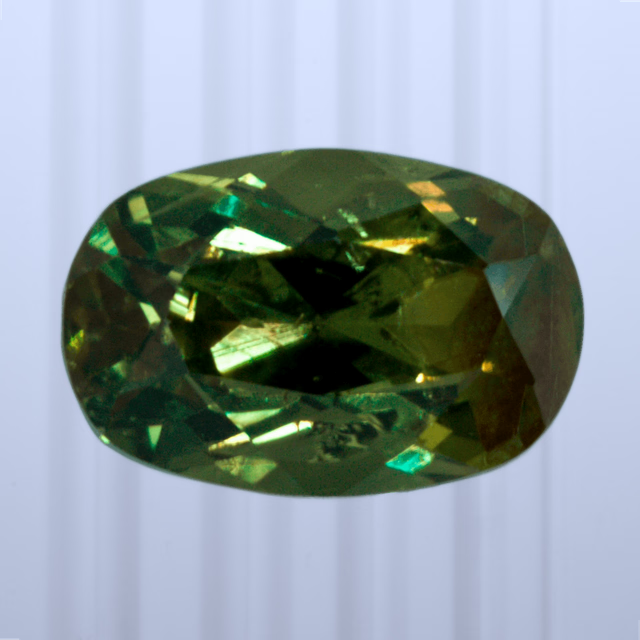
Russian Sapphire
Sutara
0.65 ct
Request Price
Russian Sapphire
Sutara
1.21 ct
$2,100.00
From the reserve
New Cuts, As They Come
We are still cutting through the Sutara reserve, and new stones come from it a few times a year. Leave your address and we will write when they do.
Questions
About Russian Sapphire
- Is Russian sapphire from Sutara treated?
- No. Every Sutara sapphire we sell is untreated – no heat, nothing added – exactly as it came out of the ground.
- What makes Sutara sapphire rare?
- Its origin. Most commercial sapphire is magmatic, carried up by basaltic volcanism; Sutara sapphire is metamorphic, formed where granite pegmatites met dolomite-rich marble – a genesis documented in only a handful of places, and published in Gems & Gemology in 2016. The deposit is now closed, so nothing new is coming out of the ground.
- Why do some Russian sapphires show a star?
- Asterism. Where rutile needles inside the crystal align along its natural axes, they scatter light into a star – which is why most of the reserve is cut as cabochons, to show it.
- Where is the Sutara deposit?
- Along the Sutara River in Russia's Far East, in the Jewish Autonomous Region near the Chinese border, about 200 km from Birobidzhan.